J.L. Richards & Associates Limited (JLR), an Ottawa-based firm offering integrated engineering, architecture, and planning services, was founded in 1955 by Les Richards, Art Fee, and Noel Kirby. The firm, lasting the test of time, is now 71 years old, and its evolution from a small firm to one with over 500 employees is an example of how putting your people and values first can be the key to growing a successful business.
In 1985, JLR exemplified this by switching to an employee-owned model, which now includes over 70% of staff as owners. JLR has flourished under this model.
The Ontario firm has now completed projects in over 75 countries and has expanded to seven offices, the latest of which opened in London in 2025.
JLR has seen growth reflected in employee numbers, organizational maturity, and scaling of the business in services and geographic reach. The company has implemented mentorship and professional development programs to support this growth.
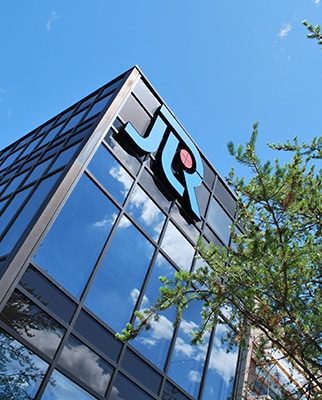
JLR is a model for excellence and healthy growth in business.
In an interview with NEM Ontario, Saverio Parrotta, President and Chief Executive Officer of JLR, let us know more about some key topics contributing to the firm’s success.
Integrated Services and Collaboration
One thing that makes JLR unique is that the firm employs professional engineers, architects, and planners.
Having all key disciplines in-house allows JLR to offer turnkey solutions, with planners, architects, and engineers collaborating closely from project inception to completion. This integration streamlines communication and problem-solving, making for quicker outcomes.
The in-house model also fosters familiarity and accountability within the team, which is further strengthened by employee ownership. This helps the team work together and bond over a shared commitment to project success.
Employee Decision-Making and Expansion
At JLR, because of the employee ownership structure, staff have real decision-making power when it comes to growing the business .
Many new offices, such as those in, North Bay, Guelph, and London, were established based on staff interest. Employees often identify opportunities in specific regions, either due to personal connections or research into market demand. Staff are encouraged to present business cases to support their ideas.
The main considerations for opening new offices include market opportunity, alignment with the firm’s existing services, and the potential to expand into new industries.
Company Culture and Employee Development
JLR has a collaborative, trust-based culture, and the company’s focus is on long-term careers and creating opportunities for employees to grow within the company and meet their career aspirations and pursue their interests in a nurturing environment.
Parrotta described the company culture as one built on collaboration, accountability, respect, and trust. The company emphasizes teamwork in all they do and ensures that all employees feel heard and respected.
Saverio Parrotta himself started at JLR as a junior engineer. Over the years, the firm helped him add to his skills and opened opportunities for him to advance. As a result, he exemplifies the thought behind these practices and has risen through the ranks to become the President and CEO, looking to create similar opportunities for his own staff.
Innovation and Technology Initiatives
Inspired by the visionary thinking of a late employee, in early 2025, JLR launched an Innovation group. Building on that foundation and recognizing the fast-paced industry changes, JLR employees are encouraged to experiment with new technologies to improve how the company works and delivers results to our clients.
The innovation group has recently implemented company-wide enterprise AI to automate repetitive tasks and improve efficiency across departments.
JLR is a company that encourages staff to think creatively and improve existing processes, fostering a culture where innovative ideas are welcomed and can lead to organizational change.
Advice for Students Entering Engineering
Saverio Parrotta offered his advice for students entering the engineering field.
His advice was to stay curious, experiment, and develop new skills. The industry is rapidly evolving and requires ongoing learning and adaptability.
And despite technological advancements, critical thinking and mastering basic principles remain essential for engineers.